

You Need Meaning in Your Work (and Other Thoughts for 2026)
I just wrapped up my annual planning retreat. Here are my thoughts on how I'm approaching this year.

Hi everyone,
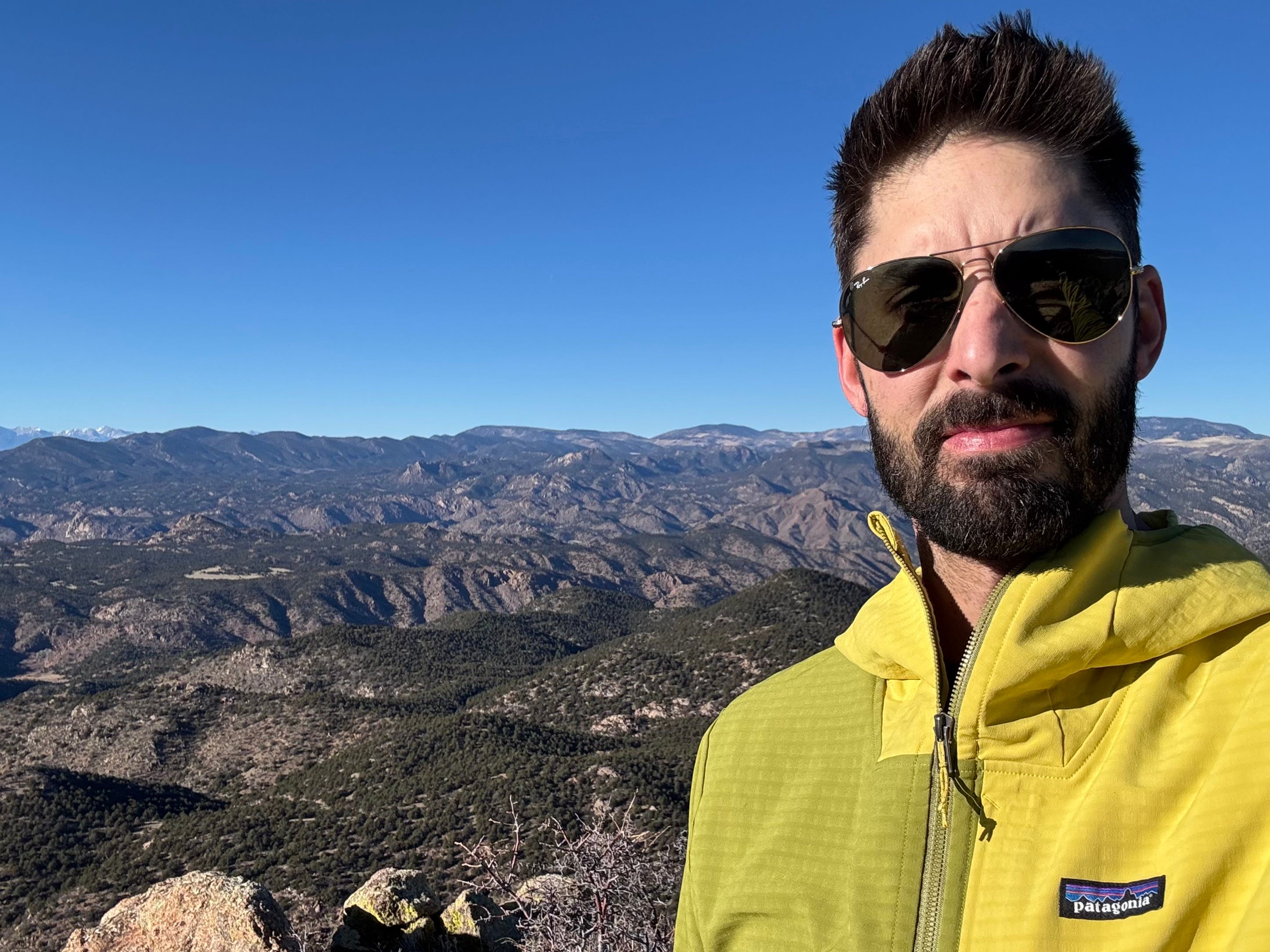
I just wrapped up my annual planning retreat: a few days of nothing but Colorado wilderness and a pile of notes about my plans for 2026. I thought I’d share some of my takeaways, in the hope that a few of them resonate with you.
The Meaning of Your Work
For most of us, annual planning starts with “how much” questions: how much revenue, how much growth, how much to spend on this, how much time to put into that. These are the organizing questions that provide much-needed structure. But I have found much more value from “why” questions: why am I in business, why is this pursuit worth my energy, why is it important that I succeed?
This week, I kept coming back to an idea that I wrote down years ago. My “why” is to help the best ideas (and the people behind them) win. That’s something I can look back on, decades from now, and feel proud of. When client work gets difficult, when I’m wrestling with a new problem, or when I have no idea where my next client will come from, my why gives me a reason to keep pushing. Without one, I’d fail.
I can’t tell you what your why is. It may be something grandiose; you’re literally working on curing cancer. Or something more unassuming, like simply being called to bring joy to those around you. But I hope you find it. Because business is not worth your time or energy otherwise.
Dynamic vs. Mechanistic Thinking
One of my favorite thinkers, David C. Baker, presented the idea of “mechanistic” thinking in a recent podcast. It’s the idea that your business is a machine. A mere collection of gears that reacts predictably when you adjust it. A classic example of mechanistic thinking is how marketers grow their pipeline: X dollars yield Y leads, which yield Z customers. More customers simply require more dollars.
It makes sense on paper, but in reality, the world never works this way. Why? Businesses aren’t mechanistic at all. They are run by people. People who react, learn, adapt, and generally behave unpredictably. Your customers are no different.
This landed with me because I’ve seen the penalty of mechanistic thinking firsthand this year. That framework I built worked amazingly for one client, but fell apart with another. My workshop process was seamless until someone asked a question that threw me off balance. My approach to sales feels unstoppable one month, and worthless the next. All that uncertainty can leave me craving for stronger processes and greater control.
But the answer, as David points out, isn’t to tighten your grip. It’s to see that business isn’t a machine at all; it’s a dynamic system that requires resilience and adaptability above all else.
Playing the Long Game
One of the hardest things about running a solo practice is forcing yourself to spend money on the business. Every investment is money you could literally take home instead. This year, I can remember a few decisions that were particularly hard to swallow: hiring a coach/mentor, flying to NYC just to host a dinner, and making major updates in my brand (which you’ll see next year).
These investments made no sense in the short term because they had no immediate payoff. So, how did I make them anyway? I had to remind myself that without investing back into the business, there is no way I can reach my goals. They aren’t inconveniences; they are necessary moves for long-term success.
This is true at every scale, though. One of my clients spent a tremendous amount of money (for them) on an R&D project in a year when growth was softer than they planned. A short-term mentality would advise conserving cash. But they invested anyway, because their aspirations as a business require them to think beyond the next quarter. A few years from now, they will be so much stronger for it. I hope you find the perspective to do the same.
I appreciate you reading this one. Here’s to a great 2026!
John
As the founder of Flag & Frontier, John Rougeux partners with executive teams to align on their strategic narrative, build belief in the market, and win the next chapter of their business. You can chat with John here or connect with him on LinkedIn.
Great post my friend! All of this is on my list this year. I appreciate your thoughts and wish you the best that 2026 will offer!